
Kochi   +91-484-4000197     New Delhi   +91-11-43016348     Dubai   +971-50-2909331    

Emerging digital trends in casino gaming and evolving player tech

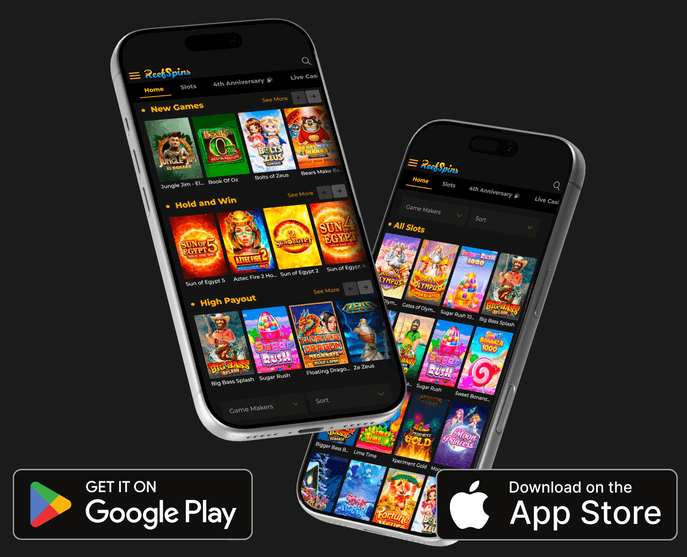
ReefSpins online

Digital casino trends shaping the next player experience

Online casino entertainment is starting to feel less like a simple website with a lobby of games and more like an ongoing digital place I visit in short bursts. A few years ago, I would open a casino site, choose a slot, play for a while, and leave. Now there are live hosts, rotating missions, instant payment options, personalised game suggestions, tournaments, and small social features that make the experience feel busier, sometimes even slightly overwhelming. I have noticed that the direction is not just toward more games. It is toward smoother, faster, more reactive ways of playing.

The first time I tried a live dealer game on my phone while waiting for a delayed train, I remember being surprised by how normal it felt. The video was clear, the interface adjusted to the small screen, and the betting controls were not particularly difficult to understand. There was still a small lag, perhaps a second or two, but it did not ruin the moment. That tiny experience made the broader change obvious to me. Casino gaming is increasingly being designed around real life, where attention is divided, screens are small, and players expect things to work immediately.

Mobile-first habits and shorter sessions

The most visible trend, at least from where I sit, is that casino sessions are becoming shorter and more frequent. Desktop gaming has not disappeared, especially for players who prefer several game windows, larger displays, or long live casino sessions. Still, the phone has become the default entry point. I find myself checking an online casino in the same way I might check a streaming service, opening it for ten minutes rather than planning an entire evening around it.

That changes the way platforms are built. Buttons need to be easier to reach with a thumb. Registration cannot feel like filling out a tax form. A slot should load quickly, and the cashier page cannot send a player through five confusing screens. It took me a while to work out why some sites felt calmer than others. Often it was not about the number of games. It was the lack of little obstacles.

In practical terms, a mobile-oriented casino experience usually depends on a few basic details:

  • Game lobbies that remember recently played titles and preferred categories.
  • Touch-friendly controls that do not cover important information during play.
  • Fast loading through lighter game files and more efficient streaming.
  • Simple account access through biometric logins where regulations allow it.

I am not entirely convinced that every feature needs to be compressed for mobile users. A complex bonus page, for example, can become harder to read when it is reduced to tiny cards and hidden menus. Yet the general movement makes sense. People want to understand wagering rules, payment limits, and game mechanics without zooming in or hunting through the footer. That is not glamorous technology, but it matters more than another animated banner.

The rise of snackable casino entertainment

Short sessions also encourage what I think of as snackable casino entertainment. Quick spins, instant win games, short blackjack rounds, mini-tournaments, and limited-time missions fit naturally into this pattern. These formats are not necessarily replacing traditional slots or table games. They are sitting beside them, offering a different pace. Some players want a long feature-rich slot session. Others want to see whether they can complete a small challenge before dinner is ready.

I have mixed feelings about missions and daily rewards. They can make a platform feel lively, but they can also create a sense of pressure if every screen is urging me to return. The better versions, in my view, are optional and clearly explained. A player should know exactly what needs to be done, what the reward is, and whether there are any conditions attached. If that information is vague, the feature becomes less entertaining very quickly.

New casino formats beyond the standard lobby

The familiar online casino lobby is evolving into something more like an entertainment catalogue. Instead of a long alphabetical wall of slots, I increasingly see live tables, game shows, crash-style games, tournaments, seasonal events, and curated collections. The difference seems subtle until I compare it with older casino sites. Those often felt like databases. Newer platforms try to guide the player, sometimes helpfully, sometimes with rather too much enthusiasm.

Live casino remains one of the most important parts of this shift. I used to assume it was only for players looking to recreate a physical casino table. Now it feels broader than that. Live roulette, blackjack, baccarat, and game-show formats add unpredictability and visual energy. The presenter is not always essential, but the human presence changes the mood. A spinning wheel on a screen is one thing. A host responding to a chat message makes it feel more immediate.

The formats I have seen gain the most attention usually combine familiar casino mechanics with a stronger sense of occasion:

  1. Live game shows that mix wheel spins, bonus rounds, and audience-style presentation.
  2. Short tournament races where players collect points through selected slots or tables.
  3. Networked jackpots and community prize events that display progress in real time.

There is a small contradiction here. Casino gaming is becoming more social, but many players still want privacy. I do not always want to enter a public chat or compare my score with strangers. Some evenings I prefer the quietest possible experience, just a game screen and a clear balance. The strongest platforms will probably be the ones that let both styles exist without making either player feel like an afterthought.

Streaming quality and live interaction

Improved video streaming is making live casino games more practical on ordinary connections. I remember older live tables looking grainy and freezing at the worst possible time. That still happens occasionally, but less often. Better compression, adaptive video quality, and faster networks mean the image can stay usable even if the connection is not perfect. It is a quiet technological improvement, though it has a large effect on whether a live game feels trustworthy.

Interactivity is changing too. Some games include chat, side bets, statistics panels, multipliers, and animated bonus stages. I enjoy the extra information when it is tucked away neatly. When every corner flashes, scrolls, and asks for attention, I tend to close the game. More technology does not always mean a better session. Sometimes a clean table layout is still the most modern thing a casino can offer.

Personalisation, data, and player control

Personalisation is becoming a major part of online gambling platforms. Once I had played a few slot themes, I started seeing similar titles recommended to me, along with categories I had not actively searched for. In one case, a casino kept showing adventure-themed slots after I tried one with a temple setting. It was not a bad suggestion, honestly, but it made me pause. The platform had learned something from a fairly small choice.

Used carefully, personalisation can save time. It can surface games a player is likely to enjoy, show relevant payment methods, or make bonus information easier to find. Used badly, it can feel intrusive or overly persuasive. I think the distinction comes down to control. Players should be able to adjust preferences, turn off marketing notifications, and understand why certain promotions appear.

Technology How it may affect players My practical concern
Recommendation systems Faster discovery of slots, live tables, and promotions. Recommendations should be easy to manage or disable.
Real-time analytics Can support safer gambling tools and account monitoring. Players need clear explanations of how data is used.
Cloud gaming systems Quicker updates, broader game access, and smoother performance. Reliability matters more than visual novelty.
Biometric account access Convenient logins on compatible mobile devices. It should remain optional, not the only route into an account.

There is also a more positive side to player data, one that does not get as much attention as flashy new games. Behavioural information can help identify unusual activity, support affordability checks where required, or flag patterns that may suggest a player needs a break. The technology itself is neither friendly nor unfriendly. It depends on the way it is applied, the transparency around it, and whether the player is treated as a person rather than merely a conversion number.

Payments, registration, and low-friction access

Payment technology may not sound exciting, but it has changed online casino habits as much as any new game format. I am far more likely to trust a platform when the banking section is clear, the available methods are listed before I deposit, and withdrawal information is not buried under several menus. Instant deposits have become common enough that waiting feels odd now. Withdrawals are improving too, although they still depend on verification, payment method, and local rules.

When I assess whether an online casino feels modern, I usually look for this sequence:

  1. Registration that asks for necessary information without unnecessary repetition.
  2. Identity checks that are secure but clearly explained before a withdrawal is requested.
  3. Payment options that show processing times, limits, and potential fees in plain language.

One small detail has become important to me: the way a site handles a failed deposit or an interrupted verification process. Older systems could leave me uncertain whether money had moved or whether an account had been approved. Better platforms now provide status messages and transaction histories that are easy to read. That is not thrilling, admittedly, but it removes anxiety. In gambling, clarity is a feature.

Digital wallets and faster withdrawals

Digital wallets, bank-transfer services, and card-based instant payment tools are likely to remain central as players expect faster access to funds. I do not think cashless options will eliminate every traditional method, because preference and regulation differ widely. Still, the expectation has changed. Players increasingly want to see their deposit recognised straight away and want a realistic estimate of when a withdrawal will arrive.

The best cashier pages are almost boring. They show the relevant options, explain the limits, confirm the request, and let me get on with things. A complicated payment page can make even a generous welcome bonus seem less attractive. It is curious how often a good player experience is built from things that barely call attention to themselves.

Trust, security, and responsible technology

As online casino entertainment becomes more immersive, trust becomes more important, not less. Better graphics, faster payments, and personalised offers are useful only if a player feels safe using them. I pay attention to licensing information, terms for bonuses, withdrawal procedures, game provider details, and the availability of customer support. I may not read every line immediately, but I like knowing the information is available without a scavenger hunt.

The tools that matter most to me are often the least dramatic:

  • Deposit limits and loss limits that can be set from the account area.
  • Session reminders that show how long I have been logged in.
  • Cooling-off options and self-exclusion pathways that are easy to locate.
  • Transparent bonus terms, especially wagering requirements and game contribution rules.

Responsible gambling technology should not feel like an afterthought added at the bottom of a page. It should be part of the design from the beginning. I appreciate reminders, although I admit I sometimes dismiss them without much thought. Even so, seeing a session timer can interrupt that automatic feeling of “just a few more spins.” A small interruption can be useful. It gives me a moment to decide rather than simply continue.

Artificial intelligence will probably play a larger role here, particularly in detecting account security issues and patterns of risky behaviour. That possibility has value, but it also raises questions. Players deserve to know when automated systems influence their account access, promotions, or verification process. A helpful future for casino technology is not one where every decision is hidden behind an algorithm. It is one where the system is efficient and the reasoning is understandable enough to challenge if something goes wrong.

Conclusion

Conclusion: online casino entertainment is heading toward experiences that are faster, more mobile, more personalised, and more interactive. I think live formats, short-session games, smooth payments, and smarter recommendations will continue to shape player habits. Yet the most meaningful improvements may be the quieter ones, such as readable terms, responsive support, transparent withdrawals, and useful account controls. Technology can make casino gaming feel more engaging, but it should also make it easier to understand and easier to leave when the session is over.

My own preference remains fairly simple. I enjoy modern features when they reduce friction or add genuine atmosphere, not when they exist only to make the screen busier. A well-designed online casino should feel current without feeling pushy. That balance may be difficult to achieve, but it is probably where the next stage of digital gambling entertainment will be decided.

FAQ

FAQ: these are a few practical questions I have heard or asked myself while watching online casino technology change.

Will mobile casino gaming replace desktop play?

Probably not completely. Mobile gaming is ideal for short sessions and convenient access, while desktop setups still suit players who prefer larger screens, detailed game lobbies, or extended live casino sessions. I expect both formats to remain relevant, with features moving between them.

They appear to be growing because they offer a mix of digital convenience and human interaction. Faster streaming and more creative game-show formats have made live casino products accessible to players who might not have chosen traditional table games before.

What should I check before joining a new online casino?

I would check licensing details, payment methods, withdrawal rules, bonus conditions, game providers, customer support options, and responsible gambling tools. It is also sensible to read a few independent player reviews, though I take extremely enthusiastic and extremely angry ones with some caution.

What technology will matter most in the next few years?

My guess is that payment speed, safer gambling systems, streaming quality, and personalisation controls will matter more than dramatic visual experiments. Virtual reality may find a place, but I suspect convenience and trust will remain the features players notice every day.
Instant games quick-play casino picks for short sessions and fun spins

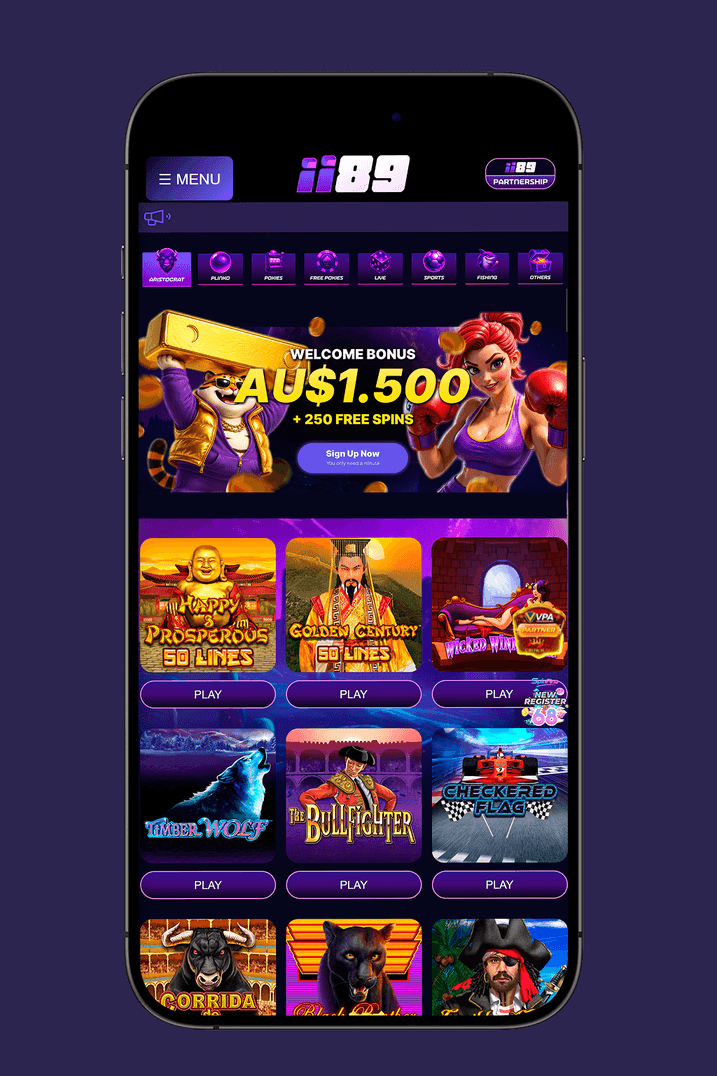
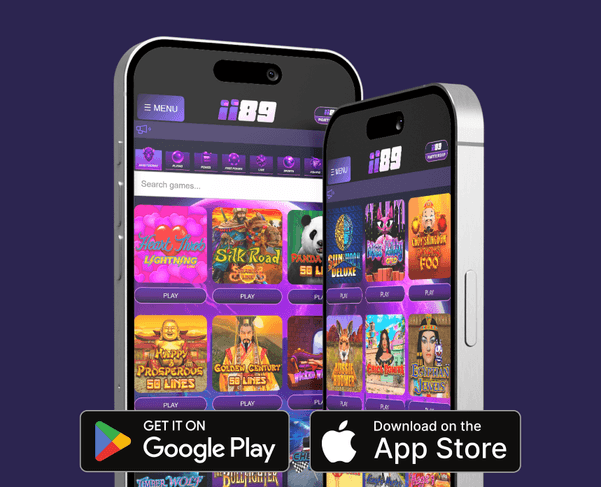
ii89 app

Instant Games for Quick Casino Sessions

Some casino sessions are planned. Others happen in the small gaps of a day, while waiting for dinner to cook, sitting with a coffee, or taking ten quiet minutes before bed. That is where instant games have become my usual choice. I do not always want to learn a complicated slot feature or commit to a long card-game session. Sometimes I simply want a few spins, a quick result, and the option to stop without feeling as though I have left something unfinished.

The first time I started looking properly at quick-play casino formats, it took me a while to work out what I actually preferred. I assumed the fastest game would automatically be the most entertaining. It was not quite that simple. Some games were quick but felt flat, while others had just enough animation, choice, and suspense to make a short session feel satisfying. My best sessions tend to be the ones where I set a small limit, enjoy the pace, and do not chase the idea that every spin needs to become a big moment.

Quick Formats That Work in Small Windows

Instant games cover more than one thing. In my experience, the term usually includes rapid slots, scratch-style games, simple wheel games, crash formats, keno, roulette variations, and sometimes live games with faster round settings. The common detail is that they do not ask much of my time before I can play. A game loads quickly, the rules are easy to see, and each round reaches an outcome without too much delay.

Slots are still the obvious pick for fun spins. They are familiar, visually varied, and easy to pause after a few rounds. I particularly like games with an uncluttered screen. If the button layout is crowded with side bets, missions, tournaments, and pop-ups, a supposedly quick game starts to feel like work. A clean five-reel slot with a sensible autoplay control, where available, can be enough for a relaxed break.

Scratch cards and instant-win games are even shorter. They can be enjoyable when I want a single result rather than a run of spins. The trade-off is that they often disappear almost too quickly. There is less rhythm to them, so I treat them as a one-or-two-game option rather than something to fill twenty minutes. Crash games create a different kind of tension because the decision is often when to cash out, but I find that speed can make them easier to overplay. They are entertaining, yes, though I need a firmer budget with them.

Game format Typical round pace Why I use it Watch for
Quick slots A few seconds per spin Easy to start and stop Fast spins can hide spend
Scratch games Near-instant result Good for one quick try Little time to reflect
Keno Short draw cycles Simple picks, calm pace Extra picks raise the stake
Crash games Very fast rounds Interactive and lively Can encourage repeated bets

For me, the best quick format is not always the game with the shortest round. It is the one with a natural stopping point. A slot spin ends. A keno draw ends. Even a short roulette round gives me a second to decide whether I am done. That tiny pause matters more than it sounds.

How I Keep a Short Session Actually Short

There is a slight irony in calling something a five-minute casino session, because five minutes can become twenty very quietly. I learned this after playing a bright fruit-themed slot one evening and noticing that the song I had put on at the start was almost over. I had meant to play ten spins. Instead, I had been tapping along without much thought. Nothing dramatic happened, but it was enough to make me change my approach.

Now I decide what the session is before I open the casino lobby. Sometimes it is a fixed amount, sometimes it is a fixed number of rounds, and sometimes it is simply one game while my tea cools. It sounds slightly fussy, perhaps, but it makes the entertainment feel more intentional. Quick play works best when the spending decision is made before the game becomes exciting.

  1. I choose one game instead of browsing endlessly through the lobby.
  2. I set a small session budget that I am comfortable losing.
  3. I use a stake size that leaves room for several rounds, not one dramatic bet.
  4. I stop when the planned spins or budget are reached, even if the last round was close.

That last part is probably the least glamorous. A near-win can feel like a reason to continue, even though it is not evidence that a different result is coming. Casino games are based on chance, and a short session stays enjoyable only when I remember that. If I feel irritated, distracted, or focused on recovering money, I close the game. There are better moments to play, and sometimes no moment at all.

My practical rule: I only use instant games with money set aside for entertainment. A win is a pleasant outcome, not the purpose of a financial plan.

My Picks for Fun Spins and Fast Decisions

When I want a short slot session, I lean toward games with a visible paytable, a straightforward bonus feature, and medium-paced animations. I do not need every reel to explode into a mini-film. Actually, I often turn down the sound and prefer a game where I can understand the symbols in the first minute. Classic fruit slots can work surprisingly well for this, although I also enjoy modern games when the bonus rules are not hidden behind several menus.

My personal quick-play shortlist changes, but these are the qualities I look for before depositing or using a casino balance:

  • A demo mode, if offered, so I can see the pace before risking money.
  • Clear stake controls that are difficult to adjust by accident.
  • A visible balance and game history page.
  • Simple rules with no pressure to buy features or enter side modes.
  • A mobile layout that does not cover the spin button with ads or prompts.

I also like instant keno for quiet sessions. It is not as flashy as a slot, and that is part of its appeal. I select a small number of spots, wait for the draw, and decide whether to play again. Roulette can be quick too, particularly outside busy live tables, though it has a different feel. It is better for a few deliberate bets than dozens of rapid taps. That is just my preference, not a universal rule.

Bonuses, Deposits, and the Small Print

A casino bonus can make a first visit feel more generous, but I have become more selective about them. A large percentage headline looks appealing, then the wagering requirement appears underneath in smaller text. For a brief session, I usually prefer a modest, clear offer, or no bonus at all, rather than a package that requires a long sequence of bets. The bonus is only useful if it fits the kind of games I genuinely want to play.

Bonuses Deposits

Before claiming anything, I check whether instant games contribute fully to wagering, whether there is a maximum bet limit, and whether the offer has an expiry date. It may sound like a lot for a casual player to read, but it takes less than a minute. I once skipped a promotion after seeing that the games I wanted contributed very little to the requirement. That was mildly disappointing, yet it saved me from forcing a longer session just to satisfy terms I did not like.

What I check Why it matters for quick play My usual preference
Wagering requirement High requirements may turn a short session into a long commitment Clearly stated and realistic terms
Game contribution Not all slots or instant games count equally Full contribution on chosen games
Deposit method Fast deposits are useful, but security comes first A familiar, verified payment option
Withdrawal policy A good experience includes clear cash-out information Published processing times and verification rules

Payment speed matters, though not in the sense that I think gambling should be rushed. I prefer a casino platform that clearly shows deposit limits, accepted methods, verification steps, and withdrawal information before I play. If any of that is difficult to find, I tend to leave. There are enough options online that transparency should not feel like a special feature.

What Makes a Mobile Casino Feel Easy to Use

Most of my short sessions happen on a phone, so the mobile experience changes everything. I want the casino to remember my preferences without making me jump through too many screens. A good search bar, a recently played section, and clear categories are more helpful than a flashy homepage. I do not mind promotions being visible, but I dislike when they interrupt a game I already selected.

There are a few practical signs I use when judging the player experience. The lobby should load smoothly on a normal connection. The cashier page should be easy to find. Limits and safer gambling tools should not be hidden in a support article. I also appreciate when the platform makes reality checks or time reminders accessible. They are not exciting features, obviously, but they support the entire idea of playing for a short time and then getting on with the day.

  • I look for deposit, loss, and session limit tools before I need them.
  • I make sure the casino is licensed for the place where I live and accepts adult players only.
  • I check support options, especially if identity verification is required for a withdrawal.
  • I avoid playing on public Wi-Fi when logging in or making a payment.

That might sound more careful than fun, but I think the two go together. When the account side is organised, the actual game session is lighter. I can play a few spins without worrying about where to find a setting later.

FAQ

What are instant games at an online casino? In my view, they are casino games designed for quick access and rapid outcomes. This can include slots, scratch cards, keno, wheel games, crash games, and simplified table-game formats. The exact category varies from one gambling platform to another.

Are quick-play games better for beginners? They can be easier to understand, particularly simple slots or scratch-style games. Still, simple rules do not remove risk. I think beginners should start with free demos where available, read the paytable, use small stakes, and set a limit before playing with real money.

How long should a short casino session last? There is no perfect number. For me, it is usually five to fifteen minutes, or a predetermined amount of spins. The useful part is deciding in advance. If the session stops being fun or starts feeling like an attempt to recover losses, it is time to step away.

Reviews

Reviews

My overall impression of instant casino games is positive, with a few conditions. They suit people who want a brief piece of entertainment rather than a long, strategic session. I enjoyed the freedom to open a game, play a handful of rounds, and leave without much setup. The best experiences were on platforms with clean mobile navigation, readable game information, dependable payment pages, and obvious responsible gambling controls.

The downside is the same feature that makes these games appealing: speed. Fast rounds can make spending less noticeable, especially when autoplay or repeated betting is involved. For that reason, I prefer calm, straightforward slots and keno draws over the most frantic options. A quick game should feel like a small break, not something that quietly takes over the evening. Used carefully, instant games can offer fun spins and simple casino entertainment, but I keep the session, the stake, and my expectations modest.

Holyluck Casino Live-Dealer Angebote mit VIP-Tischen

Holyluck Live-Dealer

Holyluck Live-Dealer Angebote mit VIP-Tischen

Wer sich bei Holyluck im Live-Casino umsieht, trifft nicht auf die übliche stille Oberfläche eines Spielautomaten. Stattdessen erscheinen echte Spieltische, Dealer vor Kameras, Chatfenster und meist ein deutlich spürbarer Zeitdruck, sobald die Einsätze geöffnet sind. Viele Neulinge starten ihre Orientierung über https://holyluck-online.net/deutschland/, weil sie zunächst herausfinden möchten, welche Bereiche für deutsche Nutzer sichtbar sind und wie das Angebot grundsätzlich aufgebaut ist.

Die Reaktion darauf fällt oft gemischt aus. Einige Spieler beschreiben die Live-Dealer-Runden als angenehme Abwechslung zu Slots, weil zwischen den Entscheidungen kleine Pausen entstehen und ein Mensch am Tisch sitzt. Andere merken recht schnell, dass gerade diese Pausen auch Unruhe auslösen können. Die Kugel rollt, die Karten werden ausgeteilt, der Einsatzzeitraum endet, und plötzlich fühlt sich eine Online-Runde weniger anonym an als erwartet.

Live-Tische wirken auf viele Nutzer langsamer als Spielautomaten, verlangen aber oft mehr Aufmerksamkeit, weil Einsätze und Entscheidungen an feste Zeitfenster gebunden sind.

Was Spieler am Live-Tisch erwartet

Das Live-Angebot eines Online-Casinos ist im Kern eine Übertragung aus einem Studio. Spieler sehen keinen vorab erzeugten Animationsfilm, sondern einen Dealer, einen realen Rouletteteller, Karten oder Würfel. Je nach Spiel öffnet sich daneben ein Bedienfeld, über das Chips gesetzt, Spielhistorien geprüft oder Statistiken eingeblendet werden können. Die Oberfläche bleibt digital, aber das Spiel selbst versucht sichtbar, an einen klassischen Casinotisch zu erinnern.

Bei Holyluck dürften Nutzer vor allem die bekannten Live-Kategorien suchen: Roulette, Blackjack, Baccarat und Spielshow-Formate. Gerade bei den letzten Varianten sind die Reaktionen recht unterschiedlich. Manche mögen die großen Räder, Multiplikatoren und farbigen Studios, weil sie etwas leichter wirken als ein ernster Blackjack-Tisch. Andere empfinden genau das als zu laut und kehren lieber zum Roulette zurück, wo der Ablauf sofort verständlich ist.

Der Dealer übernimmt dabei mehr als eine dekorative Rolle. Er kündigt die Einsatzphase an, bestätigt den Spielbeginn, zieht Karten oder startet die Kugel. Im Chat reagieren manche Gastgeber knapp auf Begrüßungen oder allgemeine Fragen. Eine persönliche Beratung zum Einsatz gibt es dort natürlich nicht, und das ist vermutlich auch besser so. Der Umgang bleibt eher freundlich-professionell, manchmal etwas routiniert, besonders wenn viele Spieler gleichzeitig teilnehmen.

Live-Spieltyp Typischer Eindruck Worauf Spieler achten
Live-Roulette Ruhig, beobachtbar, mit klaren Runden Einsatzschluss und Tischlimits
Live-Blackjack Direkter, weil Entscheidungen anfallen Regelvarianten und Entscheidungszeit
Baccarat Für viele Einsteiger übersichtlich Nebenwetten und Einsatzhöhe
Live-Spielshows Schneller, bunter, stärker inszeniert Tempo, Multiplikatoren und Budget

Studio, Atmosphäre und Spielrhythmus

Die Studios sind ein wichtiger Teil des Eindrucks, auch wenn Spieler sie nur als Kamerabild erleben. Manche Tische erscheinen bewusst klassisch, mit dunklen Farben, konzentrierter Beleuchtung und einem eher zurückhaltenden Hintergrund. Andere Sendungen setzen auf kräftige Farben, große Bildschirme und eine Moderation, die fast an eine TV-Produktion erinnert. Für Nutzer entsteht dadurch ein Unterschied, der auf den ersten Blick banal wirkt, aber oft darüber entscheidet, wo sie länger bleiben.

Studio Atmosphäre

Bei einem ruhigen Roulette-Tisch kann eine Runde für Beobachter beinahe gemächlich wirken. Nach dem Öffnen der Einsätze haben Spieler etwas Zeit, ihre Chips zu platzieren. Dann schließt der Dealer die Runde, setzt die Kugel in Bewegung und wartet das Ergebnis ab. Diese kleine Abfolge wiederholt sich, sie schafft einen Rhythmus. Wer nur zuschaut, merkt oft erst nach einigen Minuten, wie stark das Tempo von der eigenen Erwartung abweicht.

Beim Blackjack verändert sich das Gefühl. Der Tisch hat zwar ebenfalls feste Phasen, doch Spieler müssen bei bestimmten Händen reagieren. Ziehen, stehen bleiben, verdoppeln, gelegentlich teilen, solche Entscheidungen sorgen dafür, dass der Ablauf persönlicher erscheint. Nutzer, die Slots gewohnt sind, finden diese Unterbrechungen manchmal angenehm. Andere würden lieber nicht unter Zeitdruck auf eine Schaltfläche schauen und überlegen, ob die Entscheidung wirklich richtig war.

Ein Live-Studio ersetzt kein landbasiertes Casino. Es kann jedoch das Gefühl erzeugen, dass am anderen Ende tatsächlich etwas passiert und nicht bloß eine Animation startet.

Die technische Seite bleibt dabei sichtbar. Eine stabile Verbindung ist wichtiger, als manche Neulinge zunächst erwarten. Wenn das Bild ruckelt oder die Übertragung verzögert ankommt, fühlt sich der Einsatzschluss schnell unfair an, auch wenn das System technisch korrekt arbeitet. Erfahrenere Nutzer prüfen deshalb manchmal zunächst einen Tisch ohne Einsatz. Sie sehen sich eine oder zwei Runden an, beobachten die Kameraperspektive und entscheiden erst danach, ob ihnen das Tempo liegt.

VIP-Tische und höhere Einsätze

VIP-Tische ziehen Aufmerksamkeit an, weil sie meist mit höheren Limits, einer zurückhaltenderen Gestaltung oder dem Eindruck von Exklusivität verbunden sind. Der Begriff klingt nach einer abgeschlossenen Welt, tatsächlich steht dahinter je nach Anbieter oft zuerst eine praktische Sache: höhere Mindesteinsätze und größere maximale Einsätze. Damit ist der Bereich nicht automatisch besser, sondern einfach für ein anderes Budget gedacht.

Spieler mit Erfahrung berichten häufig, dass VIP-Tische ruhiger wirken können. Weniger sichtbare Hektik, eine klarere Tischansicht und manchmal ein klassischeres Studiodesign tragen dazu bei. Doch das ist keine feste Regel. Ein höherer Einsatz verändert nicht die mathematischen Grundlagen des Spiels. Wer sich vom Namen VIP zu einer Summe drängen lässt, die nicht zum eigenen Rahmen passt, erlebt die Runde vermutlich nicht entspannter, sondern genau umgekehrt.

Für manche Nutzer ist ein VIP-Tisch vor allem ein Beobachtungsort. Sie klicken hinein, sehen sich an, wie die Einsätze aussehen, und wechseln dann wieder zu einem Standardtisch. Diese Neugier ist nachvollziehbar. Trotzdem empfiehlt es sich, Limits nicht als Einladung zu verstehen. Gerade im Live-Casino kann der sichtbare Ablauf dazu verleiten, eine verlorene Runde direkt ausgleichen zu wollen, weil die nächste Runde schon vorbereitet wird.

Bereich Was Nutzer häufig wahrnehmen Sinnvolle Haltung
Standardtisch Breiter zugänglich, oft viele Mitspieler Zum Kennenlernen des Ablaufs geeignet
VIP-Tisch Höhere Limits, teils ruhigeres Erscheinungsbild Nur bei passendem, vorher festgelegtem Budget
Privat wirkender Tisch Exklusiver Eindruck durch Gestaltung oder Zugang Bedingungen und Verfügbarkeit vorher prüfen

Live-Casino im Vergleich zu Slots

Der Unterschied zwischen Live-Dealer-Spielen und Slots liegt nicht nur in der Optik. Spielautomaten starten auf Knopfdruck, dauern oft wenige Sekunden und verlangen im Standardablauf keine weiteren Entscheidungen. Das kann sehr bequem sein. Viele Nutzer öffnen einen Slot in einer kurzen Pause, drehen einige Runden und wechseln wieder. Im Live-Casino läuft die Zeit dagegen für alle am Tisch gleich. Wer zu spät kommt, wartet auf die nächste Einsatzphase.

Diese Wartezeit wird unterschiedlich erlebt. Einige Spieler sehen darin eine kleine Bremse, die beim Setzen mehr Nachdenken ermöglicht. Andere finden sie störend, besonders wenn sie gerade nur schnell spielen möchten. Hinzu kommt die soziale Kulisse. Der Dealer ist sichtbar, andere Spieler erscheinen gelegentlich im Chat oder durch gesetzte Chips, und das macht Verluste wie Gewinne manchmal emotionaler. Ein Slot bleibt dagegen meist eine sehr private Angelegenheit zwischen Bildschirm und Nutzer.

Live Casino

Auch beim Verständnis der Spiele gibt es Unterschiede. Ein Slot zeigt Gewinnlinien, Symbole, Bonusrunden und Auszahlungslogik meist direkt im Informationsbereich. Bei Roulette oder Blackjack treffen Spieler auf Regeln, Tischlimits und bei manchen Varianten auf zusätzliche Optionen. Das ist nicht zwangsläufig komplizierter, aber weniger automatisch. Neulinge lesen besser die Spielbeschreibung, bevor sie Geld einsetzen, besonders wenn Nebenwetten auftauchen, die optisch attraktiv wirken, aber ein anderes Risikoprofil haben.

Weder Slots noch Live-Tische bieten eine verlässliche Gewinnmethode. Viele Spieler setzen sich deshalb vorher eine Grenze für Zeit und Geld, statt sich allein vom nächsten Spielimpuls leiten zu lassen.

Zugang, Technik und praktische Abläufe

Bevor Nutzer einen Live-Tisch betreten, steht bei einem Online-Casino üblicherweise die Kontoerstellung im Mittelpunkt. Der Betreiber kann je nach geltenden Vorgaben Angaben zur Identität und zum Alter verlangen. Das wirkt zunächst etwas formell, gehört aber zu einem regulierten Umfeld. Spieler, die sofort loslegen möchten, reagieren gelegentlich ungeduldig auf Prüfungen. Später sind viele eher erleichtert, wenn Zahlungswege und Kontodaten nachvollziehbar abgesichert erscheinen.

Bei Einzahlungen und Auszahlungen schauen erfahrene Nutzer nicht nur auf die verfügbaren Methoden. Sie prüfen auch mögliche Bearbeitungszeiten, Limits und Bedingungen, die an Boni geknüpft sein können. Gerade ein Willkommensangebot klingt im ersten Moment oft großzügig, doch im Live-Bereich zählen die konkreten Bonusregeln. Nicht jedes Live-Spiel muss gleich zur Umsatzbedingung beitragen. Ein kurzer Blick in die Bedingungen erspart Enttäuschung, die sonst oft erst beim Auszahlungswunsch sichtbar wird.

Auf dem Smartphone kann das Live-Angebot gut funktionieren, sofern Bildschirm, Verbindung und Bedienung mitspielen. Dennoch bevorzugen manche Spieler den größeren Bildschirm eines Laptops oder Tablets. Beim Roulette sind viele Einsatzfelder eng angeordnet, beim Blackjack können Entscheidungsbuttons und Kartenübersicht auf kleinen Displays schnell gedrängt wirken. Es ist kein dramatisches Problem, eher eine Frage des Komforts. Manche bemerken es erst, wenn eine Runde bereits läuft.

Der verantwortungsvolle Umgang bleibt auch hier der Punkt, der hinter dem glamourösen Studio nicht verschwinden sollte. Limits, Pausenfunktionen und Selbstausschlussoptionen sind nicht für einen bestimmten Spielertyp gedacht. Sie sind Werkzeuge, die jeder Nutzer gebrauchen kann, sobald aus Unterhaltung Druck wird. Wer gereizt reagiert, Verluste sofort korrigieren möchte oder länger bleibt als geplant, sollte eine Pause einlegen. Das klingt schlicht, ist aber im schnellen Online-Umfeld oft der vernünftigste Schritt.

Reviews von Spielern zum Live-Bereich

In Reviews zum Live-Casino stehen häufig nicht die großen Werbeversprechen im Vordergrund, sondern kleine Details. Einige Spieler loben das Gefühl, einem echten Tisch näher zu sein als bei einem Slot. Besonders Roulette-Fans erwähnen oft die Kameraperspektive und den wiederkehrenden Ablauf als angenehm. Sie möchten sehen, wie die Kugel fällt, auch wenn das Ergebnis natürlich nicht vorhersehbar wird.

Andere Nutzer kritisieren das Tempo. Wer sich an spontane Spielautomaten gewöhnt hat, empfindet Wartephasen, Einsatzschluss und gelegentliche Verzögerungen als umständlich. Diese Kritik ist nachvollziehbar, sie ist aber zugleich Teil des Formats. Live-Dealer-Spiele sind eher gemeinschaftlich getaktet. Nicht jede Runde passt sich dem einzelnen Spieler an, und genau das unterscheidet sie vom sofort verfügbaren Slot.

Zu VIP-Tischen äußern sich Spieler meist vorsichtig. Der exklusive Eindruck gefällt manchen, doch viele erfahrene Stimmen erinnern daran, dass höhere Einsätze kein besseres Spielerlebnis garantieren. Für Nutzer, die Atmosphäre, echte Dealer und bewusst langsamere Runden mögen, kann der Live-Bereich von Holyluck interessant sein. Wer dagegen schnelle, unkomplizierte Unterhaltung sucht, wird wahrscheinlich weiterhin öfter bei Slots landen. Beides hat seinen Platz, nur eben nicht für dieselbe Stimmung.