
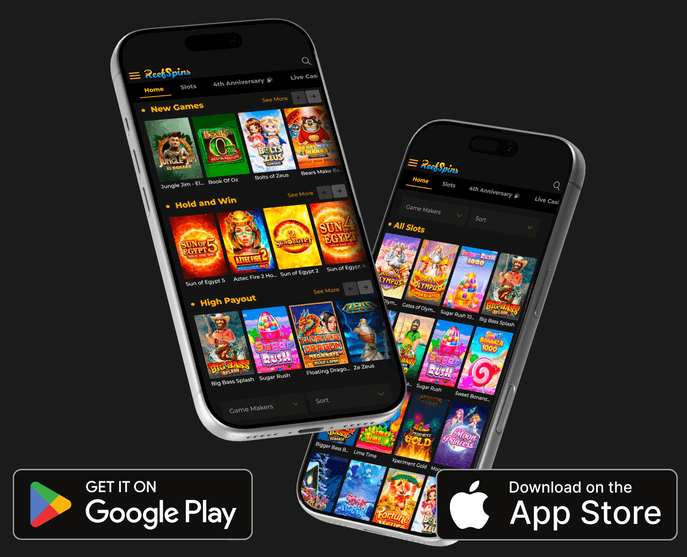
Digital casino trends shaping the next player experience
Online casino entertainment is starting to feel less like a simple website with a lobby of games and more like an ongoing digital place I visit in short bursts. A few years ago, I would open a casino site, choose a slot, play for a while, and leave. Now there are live hosts, rotating missions, instant payment options, personalised game suggestions, tournaments, and small social features that make the experience feel busier, sometimes even slightly overwhelming. I have noticed that the direction is not just toward more games. It is toward smoother, faster, more reactive ways of playing.
The first time I tried a live dealer game on my phone while waiting for a delayed train, I remember being surprised by how normal it felt. The video was clear, the interface adjusted to the small screen, and the betting controls were not particularly difficult to understand. There was still a small lag, perhaps a second or two, but it did not ruin the moment. That tiny experience made the broader change obvious to me. Casino gaming is increasingly being designed around real life, where attention is divided, screens are small, and players expect things to work immediately.
Mobile-first habits and shorter sessions
The most visible trend, at least from where I sit, is that casino sessions are becoming shorter and more frequent. Desktop gaming has not disappeared, especially for players who prefer several game windows, larger displays, or long live casino sessions. Still, the phone has become the default entry point. I find myself checking an online casino in the same way I might check a streaming service, opening it for ten minutes rather than planning an entire evening around it.
That changes the way platforms are built. Buttons need to be easier to reach with a thumb. Registration cannot feel like filling out a tax form. A slot should load quickly, and the cashier page cannot send a player through five confusing screens. It took me a while to work out why some sites felt calmer than others. Often it was not about the number of games. It was the lack of little obstacles.
In practical terms, a mobile-oriented casino experience usually depends on a few basic details:
- Game lobbies that remember recently played titles and preferred categories.
- Touch-friendly controls that do not cover important information during play.
- Fast loading through lighter game files and more efficient streaming.
- Simple account access through biometric logins where regulations allow it.
I am not entirely convinced that every feature needs to be compressed for mobile users. A complex bonus page, for example, can become harder to read when it is reduced to tiny cards and hidden menus. Yet the general movement makes sense. People want to understand wagering rules, payment limits, and game mechanics without zooming in or hunting through the footer. That is not glamorous technology, but it matters more than another animated banner.
The rise of snackable casino entertainment
Short sessions also encourage what I think of as snackable casino entertainment. Quick spins, instant win games, short blackjack rounds, mini-tournaments, and limited-time missions fit naturally into this pattern. These formats are not necessarily replacing traditional slots or table games. They are sitting beside them, offering a different pace. Some players want a long feature-rich slot session. Others want to see whether they can complete a small challenge before dinner is ready.
I have mixed feelings about missions and daily rewards. They can make a platform feel lively, but they can also create a sense of pressure if every screen is urging me to return. The better versions, in my view, are optional and clearly explained. A player should know exactly what needs to be done, what the reward is, and whether there are any conditions attached. If that information is vague, the feature becomes less entertaining very quickly.
New casino formats beyond the standard lobby
The familiar online casino lobby is evolving into something more like an entertainment catalogue. Instead of a long alphabetical wall of slots, I increasingly see live tables, game shows, crash-style games, tournaments, seasonal events, and curated collections. The difference seems subtle until I compare it with older casino sites. Those often felt like databases. Newer platforms try to guide the player, sometimes helpfully, sometimes with rather too much enthusiasm.
Live casino remains one of the most important parts of this shift. I used to assume it was only for players looking to recreate a physical casino table. Now it feels broader than that. Live roulette, blackjack, baccarat, and game-show formats add unpredictability and visual energy. The presenter is not always essential, but the human presence changes the mood. A spinning wheel on a screen is one thing. A host responding to a chat message makes it feel more immediate.
The formats I have seen gain the most attention usually combine familiar casino mechanics with a stronger sense of occasion:
- Live game shows that mix wheel spins, bonus rounds, and audience-style presentation.
- Short tournament races where players collect points through selected slots or tables.
- Networked jackpots and community prize events that display progress in real time.
There is a small contradiction here. Casino gaming is becoming more social, but many players still want privacy. I do not always want to enter a public chat or compare my score with strangers. Some evenings I prefer the quietest possible experience, just a game screen and a clear balance. The strongest platforms will probably be the ones that let both styles exist without making either player feel like an afterthought.
Streaming quality and live interaction
Improved video streaming is making live casino games more practical on ordinary connections. I remember older live tables looking grainy and freezing at the worst possible time. That still happens occasionally, but less often. Better compression, adaptive video quality, and faster networks mean the image can stay usable even if the connection is not perfect. It is a quiet technological improvement, though it has a large effect on whether a live game feels trustworthy.
Interactivity is changing too. Some games include chat, side bets, statistics panels, multipliers, and animated bonus stages. I enjoy the extra information when it is tucked away neatly. When every corner flashes, scrolls, and asks for attention, I tend to close the game. More technology does not always mean a better session. Sometimes a clean table layout is still the most modern thing a casino can offer.
Personalisation, data, and player control
Personalisation is becoming a major part of online gambling platforms. Once I had played a few slot themes, I started seeing similar titles recommended to me, along with categories I had not actively searched for. In one case, a casino kept showing adventure-themed slots after I tried one with a temple setting. It was not a bad suggestion, honestly, but it made me pause. The platform had learned something from a fairly small choice.
Used carefully, personalisation can save time. It can surface games a player is likely to enjoy, show relevant payment methods, or make bonus information easier to find. Used badly, it can feel intrusive or overly persuasive. I think the distinction comes down to control. Players should be able to adjust preferences, turn off marketing notifications, and understand why certain promotions appear.
| Technology | How it may affect players | My practical concern |
|---|---|---|
| Recommendation systems | Faster discovery of slots, live tables, and promotions. | Recommendations should be easy to manage or disable. |
| Real-time analytics | Can support safer gambling tools and account monitoring. | Players need clear explanations of how data is used. |
| Cloud gaming systems | Quicker updates, broader game access, and smoother performance. | Reliability matters more than visual novelty. |
| Biometric account access | Convenient logins on compatible mobile devices. | It should remain optional, not the only route into an account. |
There is also a more positive side to player data, one that does not get as much attention as flashy new games. Behavioural information can help identify unusual activity, support affordability checks where required, or flag patterns that may suggest a player needs a break. The technology itself is neither friendly nor unfriendly. It depends on the way it is applied, the transparency around it, and whether the player is treated as a person rather than merely a conversion number.
Payments, registration, and low-friction access
Payment technology may not sound exciting, but it has changed online casino habits as much as any new game format. I am far more likely to trust a platform when the banking section is clear, the available methods are listed before I deposit, and withdrawal information is not buried under several menus. Instant deposits have become common enough that waiting feels odd now. Withdrawals are improving too, although they still depend on verification, payment method, and local rules.
When I assess whether an online casino feels modern, I usually look for this sequence:
- Registration that asks for necessary information without unnecessary repetition.
- Identity checks that are secure but clearly explained before a withdrawal is requested.
- Payment options that show processing times, limits, and potential fees in plain language.
One small detail has become important to me: the way a site handles a failed deposit or an interrupted verification process. Older systems could leave me uncertain whether money had moved or whether an account had been approved. Better platforms now provide status messages and transaction histories that are easy to read. That is not thrilling, admittedly, but it removes anxiety. In gambling, clarity is a feature.
Digital wallets and faster withdrawals
Digital wallets, bank-transfer services, and card-based instant payment tools are likely to remain central as players expect faster access to funds. I do not think cashless options will eliminate every traditional method, because preference and regulation differ widely. Still, the expectation has changed. Players increasingly want to see their deposit recognised straight away and want a realistic estimate of when a withdrawal will arrive.
The best cashier pages are almost boring. They show the relevant options, explain the limits, confirm the request, and let me get on with things. A complicated payment page can make even a generous welcome bonus seem less attractive. It is curious how often a good player experience is built from things that barely call attention to themselves.
Trust, security, and responsible technology
As online casino entertainment becomes more immersive, trust becomes more important, not less. Better graphics, faster payments, and personalised offers are useful only if a player feels safe using them. I pay attention to licensing information, terms for bonuses, withdrawal procedures, game provider details, and the availability of customer support. I may not read every line immediately, but I like knowing the information is available without a scavenger hunt.
The tools that matter most to me are often the least dramatic:
- Deposit limits and loss limits that can be set from the account area.
- Session reminders that show how long I have been logged in.
- Cooling-off options and self-exclusion pathways that are easy to locate.
- Transparent bonus terms, especially wagering requirements and game contribution rules.
Responsible gambling technology should not feel like an afterthought added at the bottom of a page. It should be part of the design from the beginning. I appreciate reminders, although I admit I sometimes dismiss them without much thought. Even so, seeing a session timer can interrupt that automatic feeling of “just a few more spins.” A small interruption can be useful. It gives me a moment to decide rather than simply continue.
Artificial intelligence will probably play a larger role here, particularly in detecting account security issues and patterns of risky behaviour. That possibility has value, but it also raises questions. Players deserve to know when automated systems influence their account access, promotions, or verification process. A helpful future for casino technology is not one where every decision is hidden behind an algorithm. It is one where the system is efficient and the reasoning is understandable enough to challenge if something goes wrong.
Conclusion
Conclusion: online casino entertainment is heading toward experiences that are faster, more mobile, more personalised, and more interactive. I think live formats, short-session games, smooth payments, and smarter recommendations will continue to shape player habits. Yet the most meaningful improvements may be the quieter ones, such as readable terms, responsive support, transparent withdrawals, and useful account controls. Technology can make casino gaming feel more engaging, but it should also make it easier to understand and easier to leave when the session is over.
My own preference remains fairly simple. I enjoy modern features when they reduce friction or add genuine atmosphere, not when they exist only to make the screen busier. A well-designed online casino should feel current without feeling pushy. That balance may be difficult to achieve, but it is probably where the next stage of digital gambling entertainment will be decided.
FAQ
FAQ: these are a few practical questions I have heard or asked myself while watching online casino technology change.
Will mobile casino gaming replace desktop play?
Probably not completely. Mobile gaming is ideal for short sessions and convenient access, while desktop setups still suit players who prefer larger screens, detailed game lobbies, or extended live casino sessions. I expect both formats to remain relevant, with features moving between them.
Are live casino games becoming more popular?
They appear to be growing because they offer a mix of digital convenience and human interaction. Faster streaming and more creative game-show formats have made live casino products accessible to players who might not have chosen traditional table games before.
What should I check before joining a new online casino?
I would check licensing details, payment methods, withdrawal rules, bonus conditions, game providers, customer support options, and responsible gambling tools. It is also sensible to read a few independent player reviews, though I take extremely enthusiastic and extremely angry ones with some caution.
What technology will matter most in the next few years?
My guess is that payment speed, safer gambling systems, streaming quality, and personalisation controls will matter more than dramatic visual experiments. Virtual reality may find a place, but I suspect convenience and trust will remain the features players notice every day.
